The Disruptive Dormouse
How an unexpected ecological discovery thwarted a new housing development
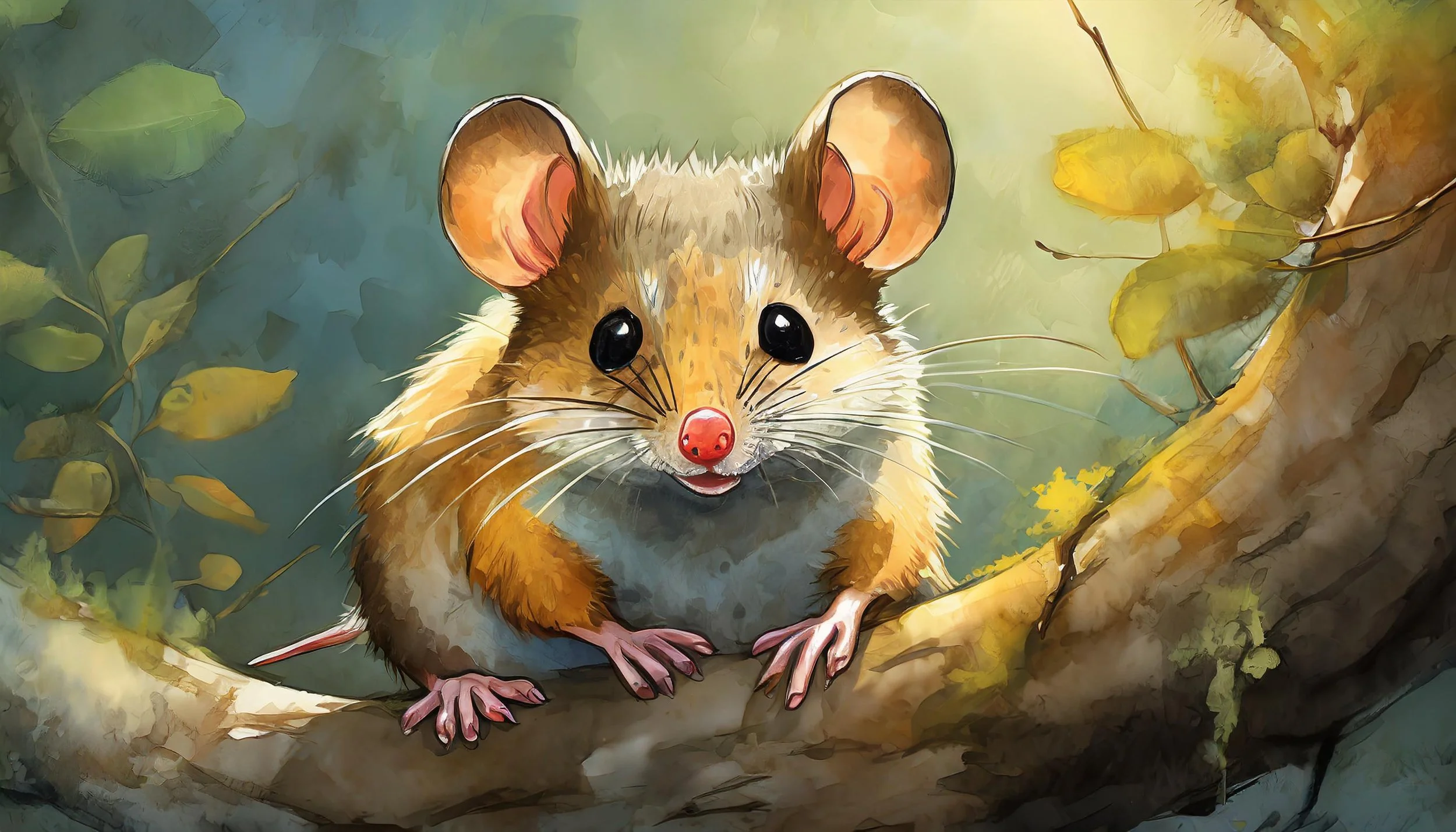
Image created by Bluepencil and Adobe Firefly
One bright summer morning, the Famous Five – Julian, Dick, Anne, George, and Timmy the dog – set off on a new adventure. This time, it wasn’t buried treasure or smugglers they were after. They had a different sort of quest: an ecology survey! Professor G.C Newt, a family friend and ecologist, had asked if they would help him learn more about the plants and animals in a particular part of the countryside. The children, always eager for a new experience, were thrilled. They packed their rucksacks with notebooks, pencils, and sandwiches, ready for a day of exploration.
The area they were to survey was a scruffy, overgrown field on a derelict farm somewhere near Slough. As they wandered through the tall grass, they spotted insects darting about and birds calling from above. George, ever the bold one, insisted on climbing a tree to get a closer look at a nest, while Anne busied herself collecting wildflowers to press in her notebook. Julian, as always, kept an eye on their progress, jotting down all the different species they found. Dick, with Timmy by his side, kept their spirits up with his usual good-natured jokes about hilarious biodiversity net gain calculations.
By the end of the day, the Five had gathered a wealth of information for Professor Newt. They’d counted birds, spotted a snail, and even discovered the footprint of a dormouse hidden in the shade. Tired but satisfied, they made their way back to Mushroom Cottage, their notebooks full of scribbles and sketches. Professor Newt was thrilled with their findings, and he promised to use their notes to help protect the area for years to come. “Well done, Famous Five!” he said. “You’ve done a grand job for nature today.” And as they sat down to a hearty tea, with lashings of lemonade, the children agreed that it had been one of their most rewarding adventures yet.
A few weeks later, the Famous Five received exciting news from Professor Newt. Their careful survey had not only helped catalog the wildlife but had also played a crucial role in saving the farm buildings from a looming threat. A housing development had been planned for the very spot they had surveyed, but thanks to the rare species they discovered – particularly the dormouse footprint and the bat droppings – the plans were reconsidered and the local council had decided to refuse planning consent. "Isn't that wonderful?" said Anne, beaming with pride. Julian nodded. "We’ve done something really important this time," he said. George gave Timmy a pat, while Dick grinned, "Another adventure that’s ended with a jolly good outcome!" And as they looked out at the derelict farm buildings, they all felt a deep sense of satisfaction in knowing they'd helped preserve the beauty of nature.
The reaction from the landowner, however, was far from cheerful. He had been confident the much needed housing project would go ahead without any issues, and the discovery of the footprint threw their plans into disarray. The developer, Mr. Bricksley-Thorn, was particularly disgruntled. "A bunch of children and their wildflower collection ruining months of work!" he grumbled. The nice planning officer’s report stated that the area was, in fact, perfect for development, but the planning committee stood firm.
Professor Newt, backed by the Five's findings, explained that the ecological importance of the dormouse footprint outweighed the need for more housing in that spot. "These children have done a great service, not just to nature, but to the community," he said firmly. Mr. Bricksley-Thorn scowled but knew there was little he could do. The decision had been made, and the derelict farm would remain untouched, thanks to the Famous Five’s timely intervention and the fact that Professor G.C.Newt was chair of the planning committee.
Almost a true story - Style inspired by Enid Blyton( 1897 – 1968)
Enid Mary Blyton was an English children’s author, whose books have been worldwide bestsellers since the 1930s.
Bluepencil work with ecologists and landscape architects from the very earliest stages of the design process and understand the impact of discovering a protected species on a site. Mitigation measures, re-location or habitat creation, are always factored into the design proposals.